Fifty days after Passover, in a crowded upper room in Jerusalem, something happened that the writers of the New Testament spent the rest of the book trying to explain. It involved wind, fire, languages no one had learned, and a street sermon that turned three thousand bystanders into followers of a man who had been executed seven weeks earlier. The church calls it Pentecost, and it is, by every honest measure, the day the church began.
What is strange is how little most Christians think about it. Christmas gets songs and rituals. Easter gets its own season. Pentecost — if it is remembered at all — passes as a footnote in the liturgical calendar. But without it, nothing else in the New Testament moves. Pentecost is the hinge.
The Jewish Feast Behind the Christian Story
Pentecost did not begin with the church. It began centuries earlier as Shavuot, the Feast of Weeks — one of three annual pilgrim festivals in ancient Israel (Leviticus 23:15–21; Deuteronomy 16:9–12). The name Pentecost comes from the Greek pentēkostē, meaning "fiftieth," because it fell fifty days after the Passover offering of the first grain.
Shavuot was an agricultural festival of firstfruits — a thanksgiving for the wheat harvest. By the first century, Jewish tradition had also come to associate it with the giving of the Law at Sinai, roughly fifty days after the exodus. Jerusalem would have been packed with pilgrims from across the diaspora.
This is the setting Luke gives us in Acts 2: a festival crowd, a harvest theme, a memory of Sinai's fire. It is no accident that the story the apostles told afterward picked up each of those threads.
What Luke Actually Reports
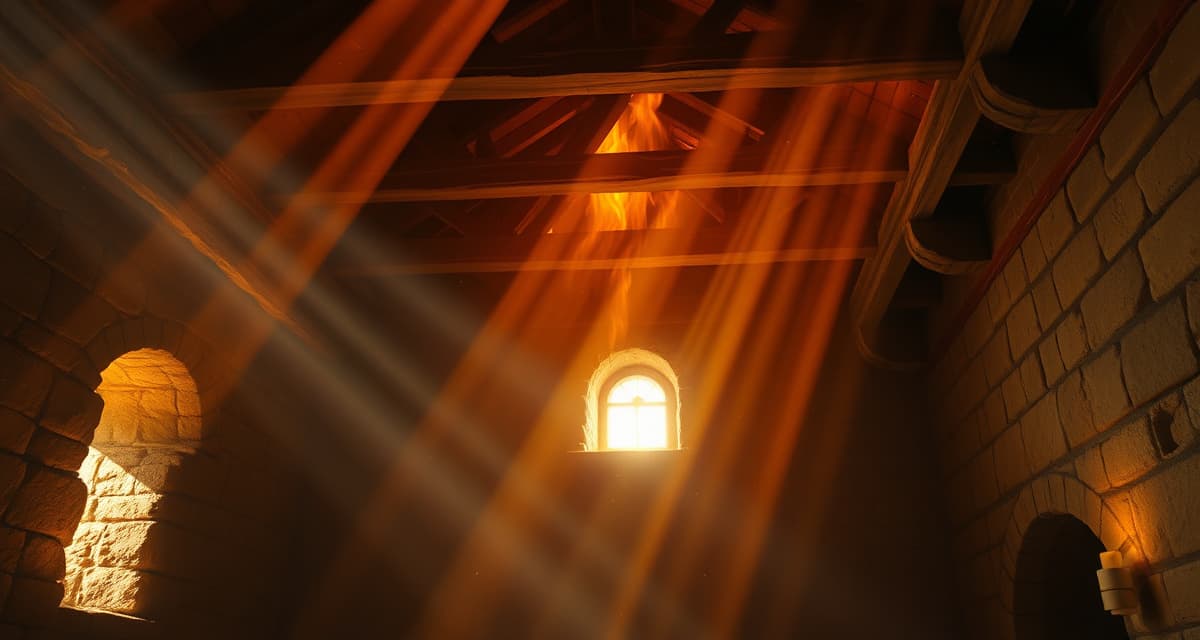
"And suddenly there came from heaven a sound like a mighty rushing wind, and it filled the entire house where they were sitting. And divided tongues as of fire appeared to them and rested on each one of them. And they were all filled with the Holy Spirit and began to speak in other tongues as the Spirit gave them utterance." — Acts 2:2–4
Three images stack on top of each other: wind, fire, and speech. Each has a history. Wind (ruach in Hebrew, pneuma in Greek) is the word for both wind and Spirit — the breath hovering over the waters in Genesis 1, the breath Ezekiel summoned to raise dry bones. Fire recalls Sinai, where the mountain "was wrapped in smoke because the Lord had descended on it in fire" (Exodus 19:18). Speech reverses Babel. At Babel, humanity was divided by languages it could not cross. At Pentecost, the barrier is collapsed — every pilgrim hears the gospel "in his own native language" (Acts 2:8).
The sermon Peter preaches out of that moment is often skipped in retellings, but it is the point. He quotes the prophet Joel, who had promised that God would pour out his Spirit "on all flesh" — not only on kings and priests but on sons and daughters, old men and servants (Joel 2:28–32). Pentecost, Peter argues, is the day that promise comes true.
Why It Is the Birthday of the Church
The word church (Greek ekklēsia, "assembly") does not describe a building. It describes a people called out and constituted for a purpose. Before Pentecost there were disciples, followers, believers — scattered, frightened, waiting. After Pentecost there is a single body, publicly identified, speaking with a shared message, gathered around teaching, fellowship, breaking of bread, and prayer (Acts 2:42).
Theologically, what changes is that the Holy Spirit is poured out broadly. In the Old Testament, the Spirit came upon particular individuals for particular tasks — a judge, a prophet, a king. After Pentecost, the Spirit indwells every believer. Paul will later draw the logical conclusion: "Do you not know that your body is a temple of the Holy Spirit within you?" (1 Corinthians 6:19). The locus of God's presence shifts from a building in Jerusalem to the people of God wherever they stand.
The Echo of Sinai and the New Covenant
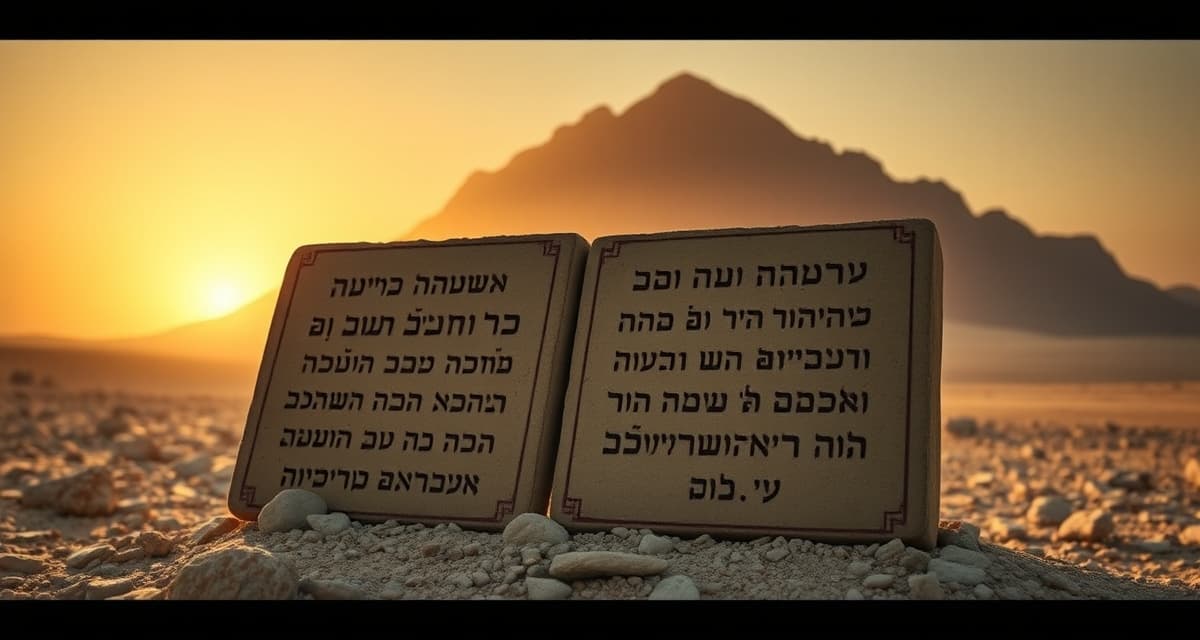
The parallel with Sinai is deliberate and telling. At Sinai, the Law was given and three thousand died in the aftermath of the golden calf (Exodus 32:28). At Pentecost, the Spirit was given and three thousand were added to the church (Acts 2:41). The numbers are not coincidence; the symmetry is the point. Jeremiah had promised a new covenant in which God would write his law "on their hearts" instead of tablets of stone (Jeremiah 31:33). Pentecost is Luke's answer to Jeremiah.
Why It Still Matters
Pentecost matters because it is the reason there is a church at all in any country beyond Palestine. The movement that began with a rural rabbi and twelve fishermen became, within a generation, a multiethnic communion stretching from Jerusalem to Rome. That expansion was not a marketing accomplishment. It was the direct work of the Spirit Peter announced that morning.
It also matters because it tells us what kind of God the Bible is describing: one who crosses language barriers to be understood, who descends in wind and fire rather than waiting to be climbed up to, who gives himself away in person rather than in delegated intermediaries. Pentecost is not a curious ancient event. It is the theology of presence made historical.