πŸ“œ

Philosophy

Big questions, ancient wisdom, and the ideas that have shaped how we think and live.

Anselm's Ontological Argument: The Proof That Refuses to Die
🌾 Deep Roots

Anselm's Ontological Argument: The Proof That Refuses to Die

A thousand years after Anselm first sketched it in a Norman monastery, his argument that God must exist by the very definition of God still fascinates and frustrates philosophers. Here is what it actually claims, where it has been attacked, and why it keeps coming back.

April 19, 2026

Preview β†’
Philippa Foot and the Quiet Revival of Virtue Ethics

Philippa Foot and the Quiet Revival of Virtue Ethics

She is best known as the philosopher who invented the trolley problem. Her real contribution was much larger β€” a sixty-year argument that moral judgments about humans work the same way as judgments about whether an oak is a good oak.

April 18, 2026

Read β†’
Simone de Beauvoir and the Ethics of Ambiguity

Simone de Beauvoir and the Ethics of Ambiguity

Sartre said we are condemned to be free. De Beauvoir asked what that actually obliges us to do. Her answer β€” lucid commitment in a world without guarantees β€” is still one of the most honest things existentialism produced.

April 16, 2026

Read β†’
Derek Parfit and the Question of What Matters
🌾 Deep Roots

Derek Parfit and the Question of What Matters

Derek Parfit dismantled our assumptions about personal identity, rationality, and moral obligation. His arguments are unsettling β€” and his conclusions may be the most important in modern philosophy.

April 13, 2026

Preview β†’
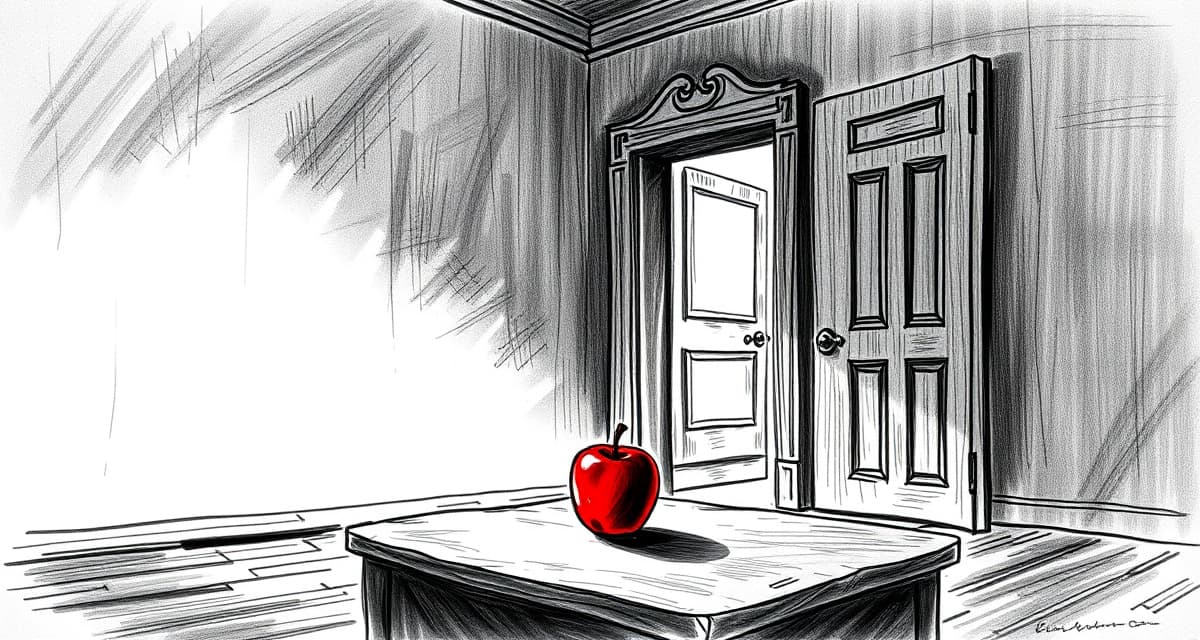
Mary's Room: The Knowledge Argument and the Limits of Physicalism
🌱 Premium

Mary's Room: The Knowledge Argument and the Limits of Physicalism

Imagine a brilliant scientist who has spent her entire life in a black-and-white room, learning everything there is to know about the physics of color vision. The day she leaves the room and sees red for the first time β€” does she learn something new? Frank Jackson's thought experiment is one of the most discussed challenges to physicalism in modern philosophy.

April 10, 2026

Preview β†’
The Gettier Problem: Why Knowledge Isn't Just Justified True Belief

The Gettier Problem: Why Knowledge Isn't Just Justified True Belief

For over two thousand years, philosophers defined knowledge as 'justified true belief.' Then in 1963, a little-known American philosopher named Edmund Gettier published a three-page paper that broke the definition. The Gettier problem is one of the rare moments in philosophy where everyone could see that something had genuinely been refuted.

April 10, 2026

Read β†’
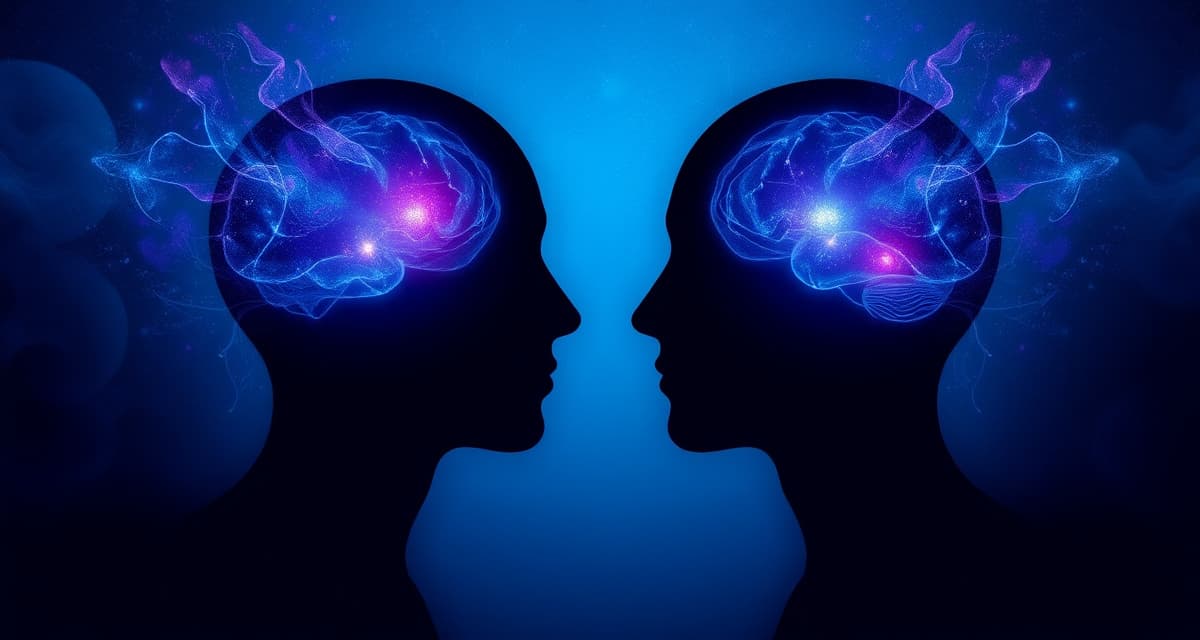
The Hard Problem of Consciousness: Why the Mind-Body Question Won't Go Away

The Hard Problem of Consciousness: Why the Mind-Body Question Won't Go Away

Science has made extraordinary progress explaining how the brain works. But there is a question it has not answered β€” and may not be able to answer with current tools: why does physical brain activity give rise to subjective experience at all? David Chalmers called this the hard problem of consciousness, and it remains one of the most genuinely open questions in philosophy.

April 10, 2026

Read β†’
Bernard Williams and the Problem of Moral Integrity
🌱 Premium

Bernard Williams and the Problem of Moral Integrity

Bernard Williams argued that both utilitarianism and Kantian ethics demand a kind of moral alienation β€” asking agents to bracket their deepest commitments in favor of abstract calculation. His concept of integrity as a moral category remains one of philosophy’s most important and underappreciated challenges.

April 7, 2026

Preview β†’
Iris Murdoch and the Moral Life of Attention

Iris Murdoch and the Moral Life of Attention

What if the central question of ethics is not what should I do, but how am I seeing? Iris Murdoch argued that most moral failure happens not in bad choices but in bad vision β€” and that the deepest ethical work is the slow purification of attention.

April 7, 2026

Read β†’
The Problem of Evil: Four Serious Responses
🌾 Deep Roots

The Problem of Evil: Four Serious Responses

The problem of evil is the oldest and most powerful argument against theism: if God is omnipotent, omniscient, and perfectly good, why does suffering exist? Here are four serious philosophical responses and what they actually establish.

April 1, 2026

Preview β†’
What Nietzsche Actually Meant by the Will to Power
🌱 Premium

What Nietzsche Actually Meant by the Will to Power

Nietzsche's 'will to power' is among the most misrepresented ideas in modern philosophy β€” reduced to domination and co-opted by fascism. Here's what he actually argued, why the misreadings have persisted, and why the concept still matters.

March 19, 2026

Preview β†’
Eudaimonia: Ancient Answers to What the Good Life Is

Eudaimonia: Ancient Answers to What the Good Life Is

Every serious ethical tradition has something to say about human flourishing. The ancient Greeks called it eudaimonia β€” a word usually translated 'happiness' but meaning something far richer. Here's what they meant and why the debate still matters.

March 14, 2026

Read β†’
Know Thyself: What Socrates Actually Meant

Know Thyself: What Socrates Actually Meant

Know thyself is perhaps the most quoted line in the history of philosophy β€” and one of the most misunderstood. For Socrates, it was not an invitation to self-exploration but an argument about the nature and limits of human wisdom.

February 12, 2026

Read β†’
Stoicism and the Art of What You Can Control

Stoicism and the Art of What You Can Control

The Stoic philosophers developed a systematic practice for distinguishing what lies within our power from what doesn't β€” and releasing attachment to the latter. More than a coping strategy, it is a complete framework for living well under uncertainty.

February 5, 2026

Read β†’