For most of the history of microbiology, the relationship between humans and microbes was framed primarily as warfare. Bacteria caused disease; medicine's job was to destroy them. Antibiotics were victories; the goal was sterility.
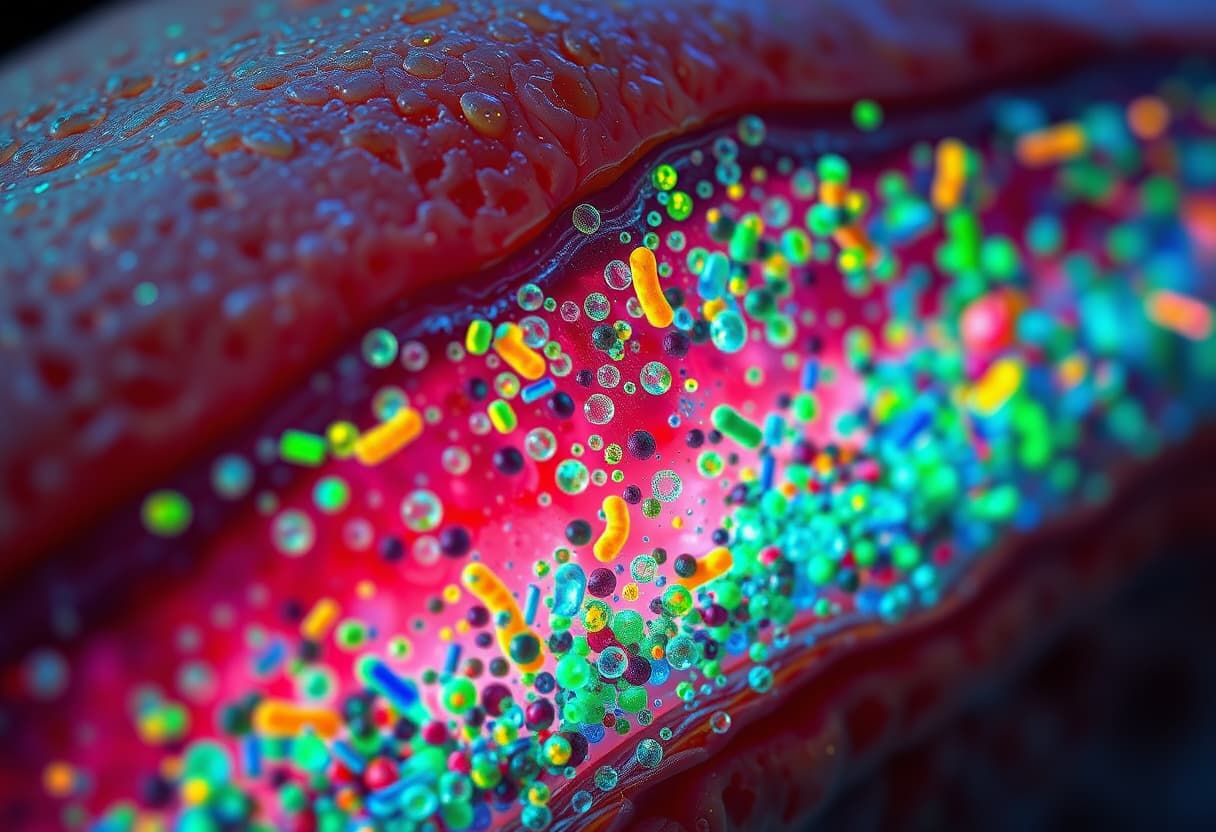
This framing was never entirely accurate, and in the past two decades it has been substantially overturned. The human body hosts approximately 38 trillion microbial cells — the best current estimate — along with our 30 trillion human cells. These microbes are not primarily pathogenic. Most are commensal (neutral) or mutualistic (mutually beneficial), and some turn out to be essential for normal biological function.
The collective genetic material of these microbes — the microbiome — contains roughly 150 times more genes than the human genome. Understanding what those genes do, and what happens when the microbial community is disrupted, is one of the most active areas in contemporary biology.
The Gut Microbiome
The gut — particularly the large intestine — is the densest microbial habitat in the body. The bacteria that live there perform functions we cannot perform ourselves.
Digestion of complex carbohydrates. Humans lack the enzymes to break down dietary fiber; gut bacteria ferment it and produce short-chain fatty acids (butyrate, propionate, acetate) that serve as the primary energy source for cells lining the colon. A diet poor in fermentable fiber starves the gut bacteria and reduces their populations.
Training the immune system. A substantial portion of the immune system — gut-associated lymphoid tissue (GALT) — is in direct contact with gut bacteria. Early-life exposure to a diverse microbial community is critical for calibrating immune responses: distinguishing self from non-self, tolerating harmless antigens, and mounting appropriate responses to genuine pathogens. Reduced microbial diversity in infancy, which accompanies birth by caesarean section, formula feeding, and antibiotic exposure, is associated in epidemiological studies with higher rates of allergies, asthma, and autoimmune conditions.
Synthesis of vitamins and neurotransmitters. Gut bacteria produce vitamin K, several B vitamins, and neurotransmitter precursors including precursors to serotonin. Roughly 90% of the body's serotonin is synthesized in the gut, partly under bacterial influence. This is the factual basis (and the limit) of claims about a "gut-brain axis."
The human immune system was shaped by hundreds of millions of years of co-evolution with microbes. It expects them. When they're absent, it malfunctions.
The Gut-Brain Axis
The connection between gut microbiota and brain function is the most provocative area of microbiome research — and the most frequently overstated.
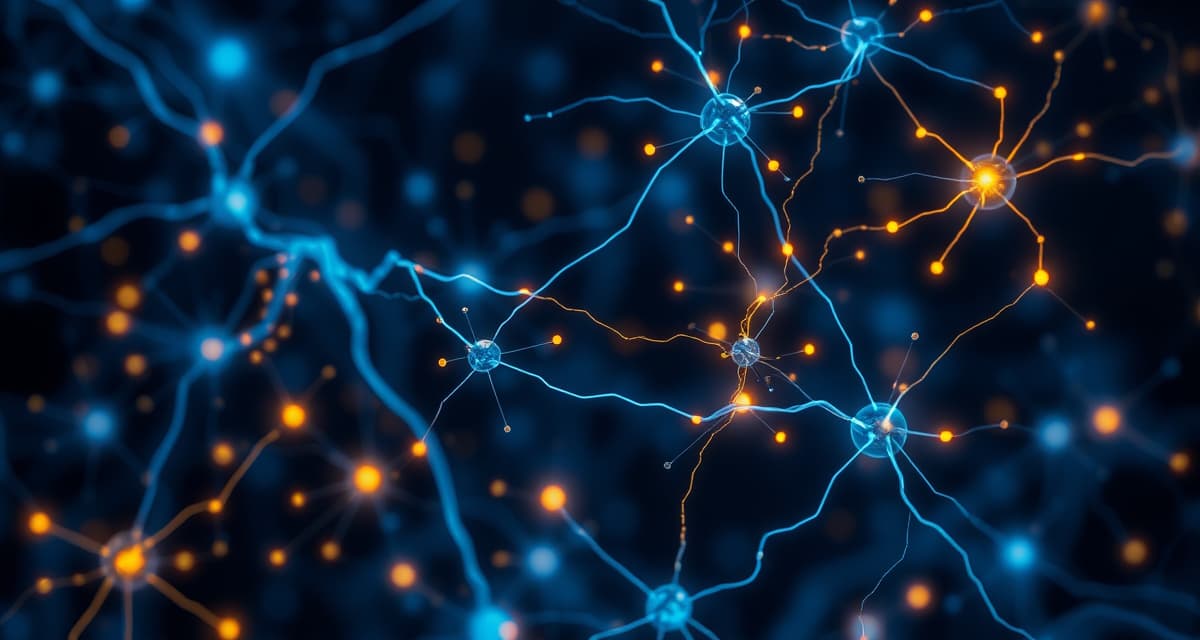
The evidence for a gut-brain axis is real. The enteric nervous system (the "second brain") lines the gut and communicates bidirectionally with the central nervous system via the vagus nerve and via hormonal and immune signals. Germ-free mice (raised without microbiota) show abnormal stress responses and altered behavior. Studies in mice have demonstrated that transplanting gut microbiota from anxious mice to germ-free mice can transfer anxiety-like behavior, and vice versa.
The extrapolation from mice to humans requires caution. Human studies of microbiome-mental health connections are largely correlational: people with depression, anxiety, and autism spectrum disorder show different microbiome compositions than controls. Correlation does not establish causation, and disentangling cause from effect in a complex system where mental state affects diet (which affects microbiome) and microbiome may affect mental state is methodologically challenging.
Disruption and Restoration
The primary threats to microbiome diversity and stability are well-characterized: antibiotic use (which does not discriminate between target pathogens and beneficial residents), diet low in fiber and high in processed foods, and early-life exposures (mode of birth, feeding practices).
Restoration strategies range from well-supported to speculative.
Dietary intervention is the most well-supported: diets high in diverse plant foods, fermented foods (yogurt, kefir, kimchi, sauerkraut), and prebiotic fiber (onion, garlic, leeks, legumes) consistently increase microbial diversity. A landmark 2021 Stanford study found that fermented foods outperformed high-fiber diets for increasing microbiome diversity over 10 weeks — a finding that surprised researchers.
Fecal microbiota transplant (FMT) — transferring microbiota from a healthy donor to a recipient — has one well-established clinical application: treatment of recurrent Clostridioides difficile infection, where it is highly effective. Its application to other conditions (IBD, obesity, mental health) is being studied but is not yet established.
Probiotics (commercially available bacterial supplements) have more modest and context-specific effects. They can help with certain digestive conditions and antibiotic-associated diarrhea, but evidence for broader health benefits in healthy populations is limited.
The microbiome is a young science: many findings are preliminary, replication is incomplete, and the field is navigating the gap between legitimate excitement and commercial oversimplification. What is not in doubt is that the microbial community we host is a major determinant of how our biology works — and that it has been largely invisible to medicine until recently.
¹ NIH Human Microbiome Project Consortium — "Structure, function and diversity of the healthy human microbiome" (2012), Nature ² Rob Knight & Brendan Buhler — Follow Your Gut (2015), Simon & Schuster/TED ³ Peter Turnbaugh et al. — "The human microbiome project" (2007), Nature